

Browse by Category
Folklore and Legends Paranormal Places Urban Legends True Crime
A chronicle of folklore, and the stories we whisper to keep the dark company.
Welcome to the Lore Journal, the written heart of Carman Carrion’s world.
Here you’ll find more than simple articles. These posts are small doorways into strange traditions, forgotten legends, and unsettling corners of history. Each entry explores the tales humans have told for centuries to explain the unexplainable: the spirits in the trees, the shadows in the cemetery, the creatures that arrive with winter winds.
Some stories are ancient.
Some are modern.
All of them carry a spark of truth wrapped in mystery.
The Lore Journal expands on the themes of the podcasts, diving deeper into folklore, paranormal places, urban legends, and the darker threads of human belief. Think of it as a companion grimoire to the audio shows: a place to linger over details, trace origins, and wander through the haunted library of the past.
Whether you’re here for eerie myths, chilling histories, or simply a good unsettling read, you’ve found the right corner of the internet.
Choose a category, light a candle, and begin.
Love Gone Wrong: Valentine's Day Folklore That Will Break Your Heart (Literally)
Not every love story ends with happily ever after. Across folklore, romance has long been tangled with curses, ghosts, and hearts that stop for more than poetic reasons. This post explores the darker side of Valentine’s Day, where passion turns perilous and devotion can be downright deadly.
A deep dive into the dark side of romance through the lens of global folklore
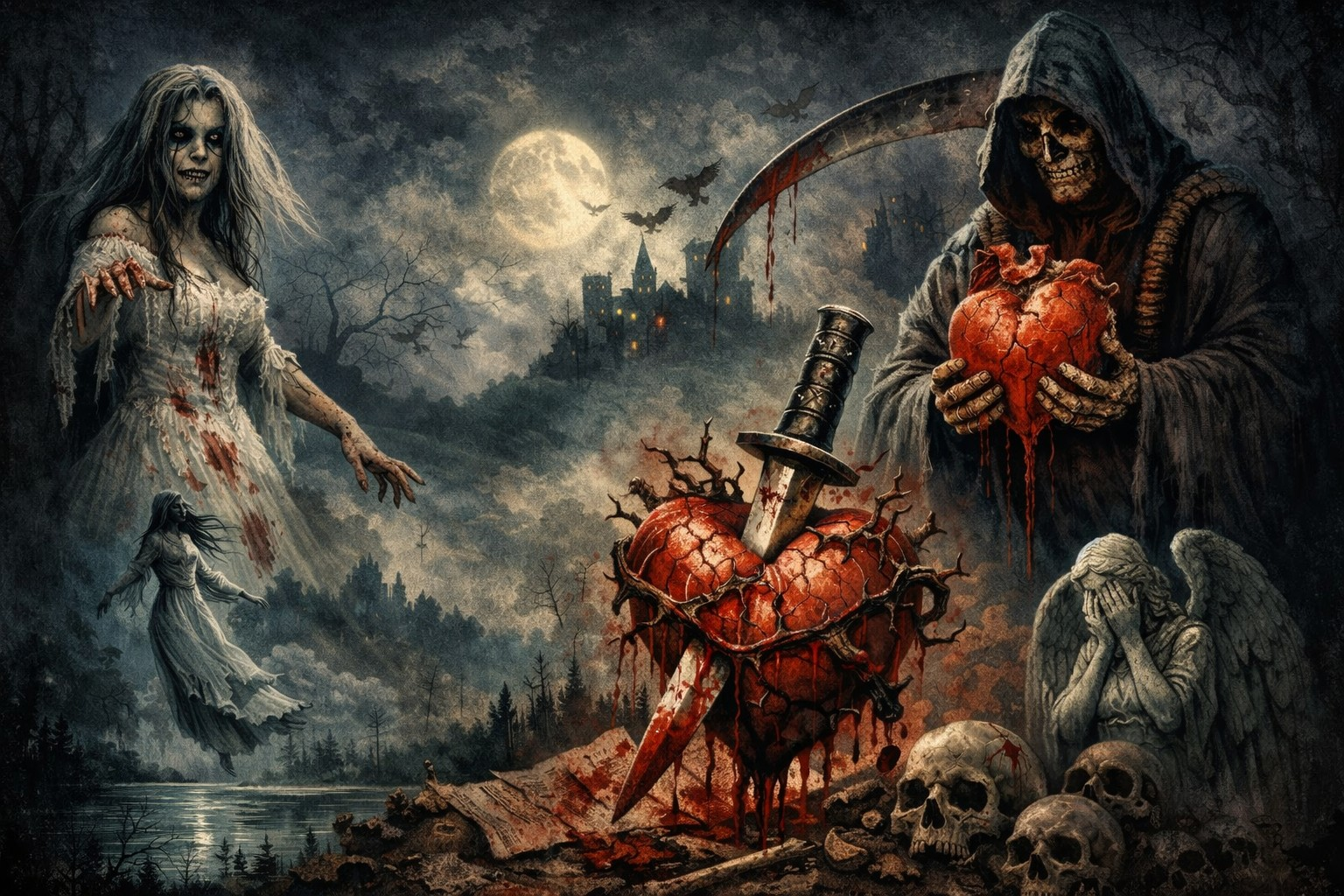
February brings chocolates, roses, and declarations of eternal love. But beneath Valentine's romantic veneer lurks a darker truth that folklore has preserved for centuries: love can be deadly. Across cultures, our ancestors warned of supernatural beings that prey upon vulnerable hearts, spirits born from love's betrayal, and curses that turn passion into peril.
As you plan your romantic evening this Valentine's Day, spare a thought for these cautionary tales. Because sometimes, love doesn't just break your heart—it destroys your soul.
The Banshee: When Love Becomes Lament
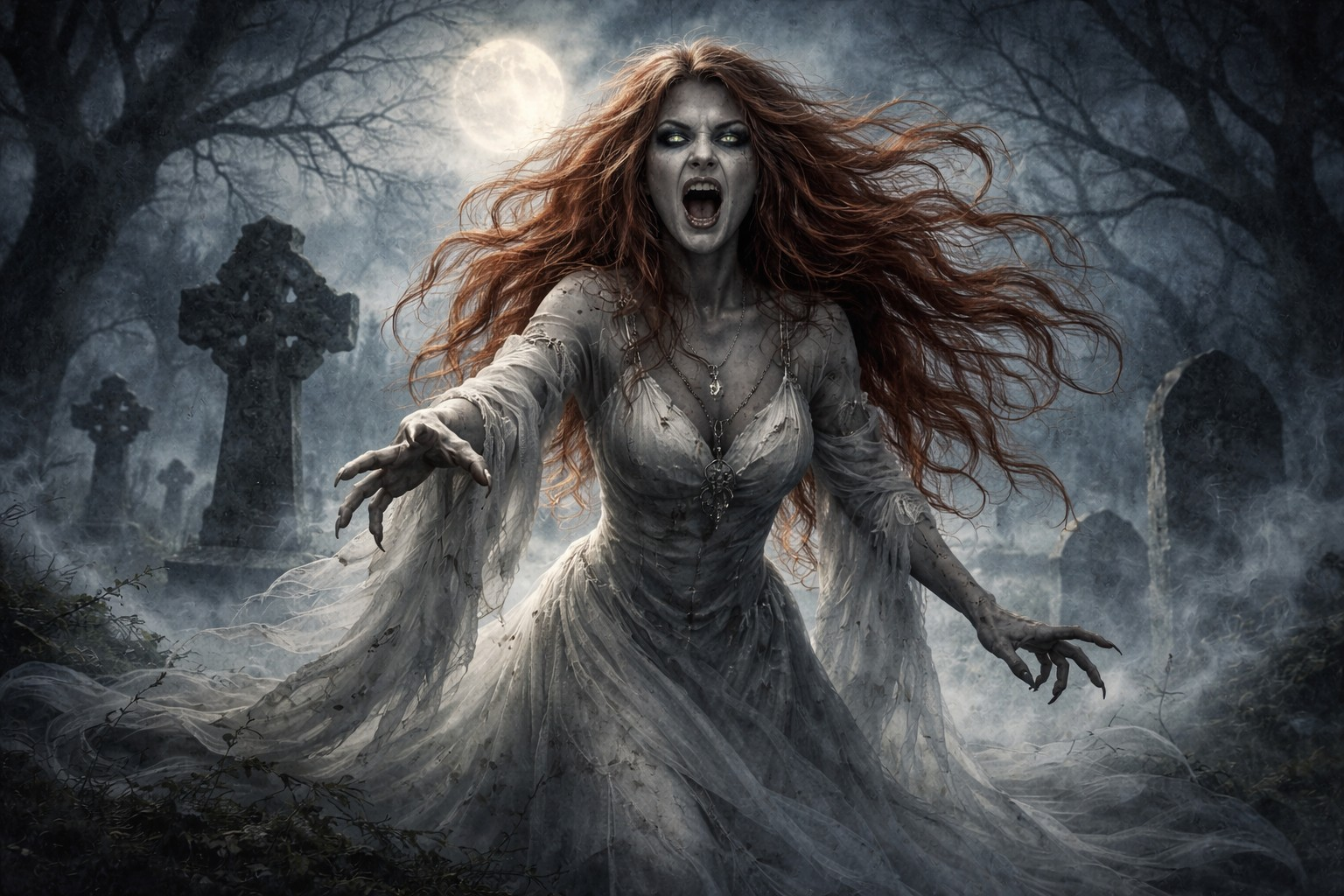
In Irish folklore, few sounds are more chilling than the keening wail of a banshee. But these harbingers of death aren't merely supernatural alarm clocks—they're often women whose hearts were shattered beyond repair.
Traditional stories tell of banshees who were once mortal women bound to specific families through blood or heartbreak. Many were lovers scorned, wives abandoned, or mothers who lost children to violence or betrayal. Their anguish was so profound that it transcended death itself, transforming them into spectral mourners doomed to herald the passing of those they once loved.
What makes the banshee particularly terrifying is her connection to unrequited love. She doesn't mourn randomly—her cries are reserved for the bloodlines connected to her heartbreak. When you hear her wail outside your window, death is coming for someone whose family caused her suffering centuries ago. Love's betrayal echoes through generations, and her prophecies are never wrong.
Succubi and Incubi: The Deadly Seduction
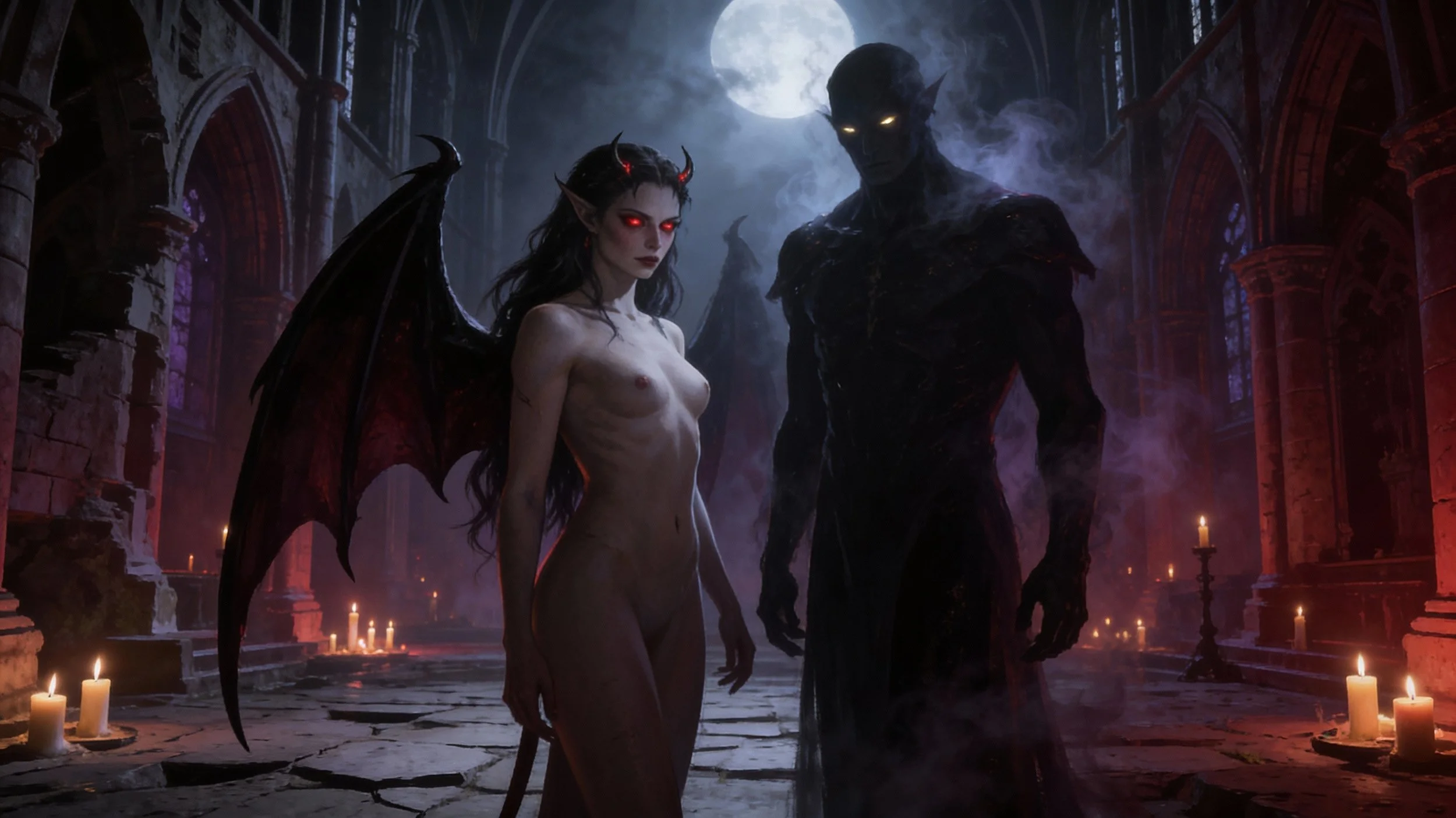
Perhaps no creatures in folklore embody the dangers of passionate love quite like succubi and incubi—demons who seduce mortals in their dreams, feeding on their life force through intimate encounters.
These supernatural beings would appear as irresistibly attractive lovers, engaging victims in passionate encounters while gradually draining their vitality. What made them particularly insidious was their psychological warfare—they didn't simply seduce, they created emotional dependency. Victims would become obsessed with their supernatural lovers, refusing real relationships and growing increasingly isolated and weak.
The folklore captures the very real way that toxic relationships can drain our life force. We can become addicted to people who are bad for us, and romantic obsession can literally consume us from within. The most chilling detail in many accounts is that victims know something is wrong but can't break free—a perfect metaphor for addictive love.
La Llorona: The Weeping Woman's Eternal Punishment
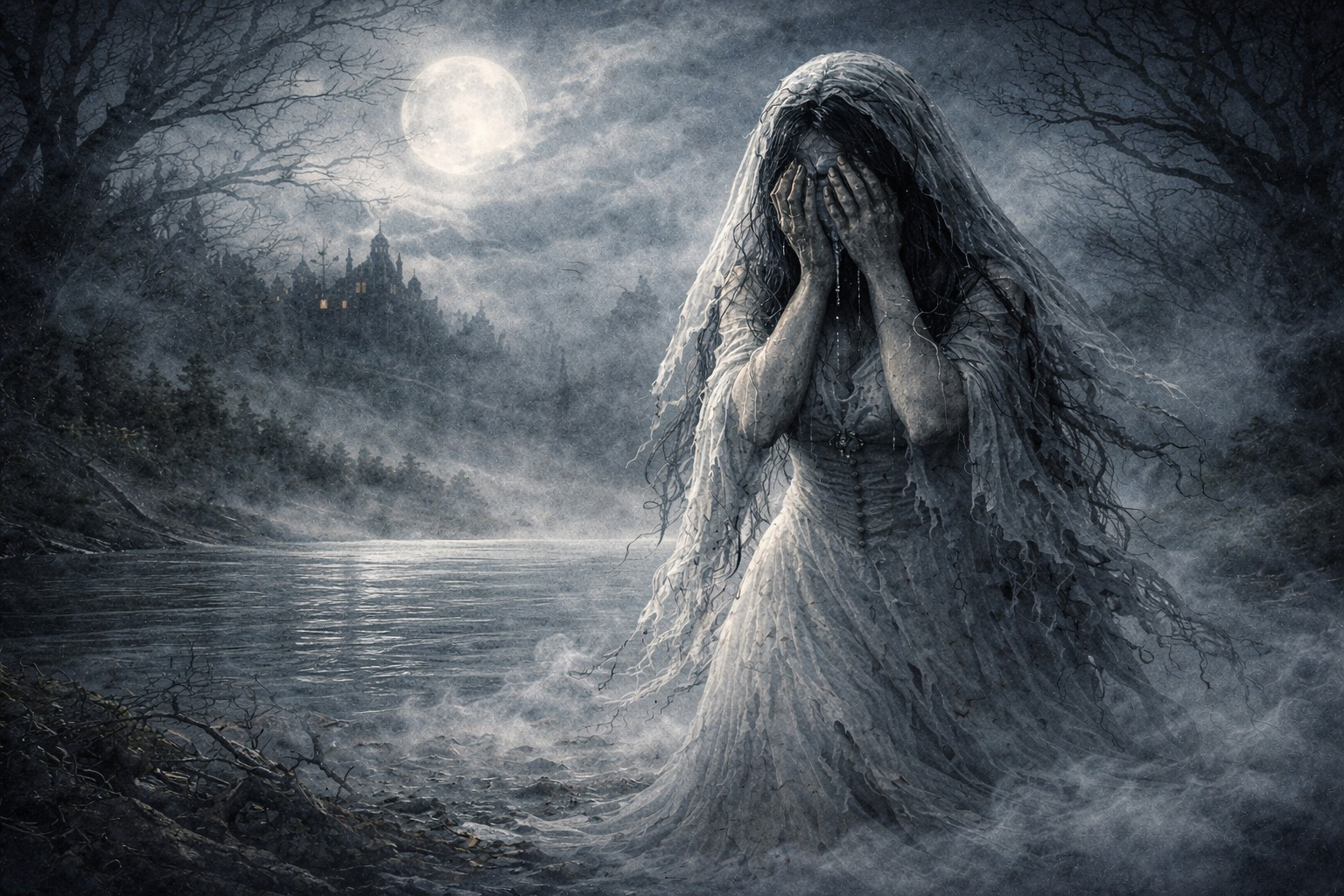
No figure in Latin American folklore is more tragic—or more terrifying—than La Llorona, the Weeping Woman. Her story combines maternal love, romantic betrayal, and eternal damnation into a cautionary tale that has haunted generations.
The story begins with María, a beautiful woman who falls deeply in love with a wealthy man. Their affair produces children, but when he decides to marry someone of his own social class, he abandons María completely. Consumed by rage and heartbreak, she drowns her own children, believing this ultimate sacrifice will somehow win back her lover or punish him for his betrayal.
The plan backfires catastrophically. Her lover is horrified, and María immediately realizes the magnitude of what she's done. Death brings no peace—only eternal punishment. She's condemned to wander near bodies of water, searching for her lost children and weeping inconsolably. In her madness, she sometimes mistakes other children for her own, leading them into the water where they drown.
La Llorona embodies the fear of losing ourselves completely in love, of becoming so defined by a relationship that we lose our identity and judgment. Her eternal punishment—searching forever for something she destroyed in a moment of passion—reflects how destructive choices made in romantic desperation can haunt us for a lifetime.
Modern Manifestations: Ancient Fears in Digital Form
While we may no longer believe in literal succubi, the fears embedded in these folkloric traditions manifest in distinctly modern ways. Our technology-driven dating culture has created new forms of the supernatural seduction and romantic obsession that our ancestors encoded in their ghost stories.
Consider 'love bombing'—overwhelming someone with excessive attention and affection, only to gradually withdraw and create emotional dependency. It's a perfect parallel to the succubus's seduction strategy. Online dating scammers create irresistible false identities, seduce victims emotionally and financially, then disappear, leaving their targets drained—exactly like medieval accounts of people who knew their supernatural lovers were destroying them but couldn't resist their return.
The banshee's eternal keening becomes the endless scroll of breakup posts and passive-aggressive status updates that keep emotional wounds fresh indefinitely. La Llorona's desperate search finds parallels in stalking via GPS tracking, creating fake social media accounts to monitor ex-partners, and revenge porn—destroying something precious in a misguided attempt to regain control.
Learning from the Lore: Protective Wisdom
These folkloric warnings offer surprisingly relevant guidance for modern love. The supernatural threats may be metaphorical, but the psychological truths they encode remain painfully relevant.
The folklore teaches us to recognize early warning signs of destructive relationships. Like the succubus who seems too good to be true, partners who love-bomb us with excessive attention might be hiding dangerous intentions. The stories remind us that healthy love develops gradually and includes realistic assessments of both partners' strengths and weaknesses.
The tragic figures in love folklore all lost themselves completely in their romantic attachments. Their stories remind us that healthy love enhances our existing identity rather than replacing it. Partners who encourage us to abandon our friends, goals, or values may be leading us toward the same kind of spiritual death these folkloric figures represent.
Conclusion: Love's Light and Shadow
As Valentine's Day approaches, it's worth remembering that love has always been a double-edged sword. The folklore surrounding romance doesn't seek to make us cynical—rather, it offers the wisdom of generations who understood that our capacity for deep connection is both our greatest gift and our greatest vulnerability.
The banshee's wail reminds us that some loves leave scars echoing through generations. The succubus warns us about relationships that drain rather than nourish our souls. La Llorona shows us the ultimate cost of losing ourselves completely in another person.
But these warnings exist not to discourage love, but to help us love more wisely. True love doesn't require you to sacrifice your soul, lose your identity, or abandon your values. Real love—the kind worth celebrating—enhances who you are rather than consuming it.
This Valentine's Day, light your candles and share your chocolates. Just remember to keep your wits about you and never let anyone convince you that true love requires the destruction of your authentic self. The best protection against love's dark side isn't ancient magic—it's the wisdom to know your own worth and the courage to demand relationships that honor it.
What folklore figures from your cultural background warned about the dangers of love? Share your stories in the comments below, and remember—the best way to ward off romantic curses is to love yourself first.
10 Winter Creatures from Folklore That Will Freeze Your Blood
When the nights grow longer, old stories wake up. From horned visitors at Christmas to ghostly figures in blizzards, winter folklore is filled with beings that thrive on cold and fear. Meet the creatures said to arrive with the first snow.
Winter is supposed to be a season of twinkling lights, warm blankets, and cozy nights by the fire. But in folklore around the world, winter is anything but comforting. When the nights stretch longer than the days and the cold sinks deep into the bones, strange things wander the snow. Some guard the weak. Some punish the wicked. And some… simply hunger.
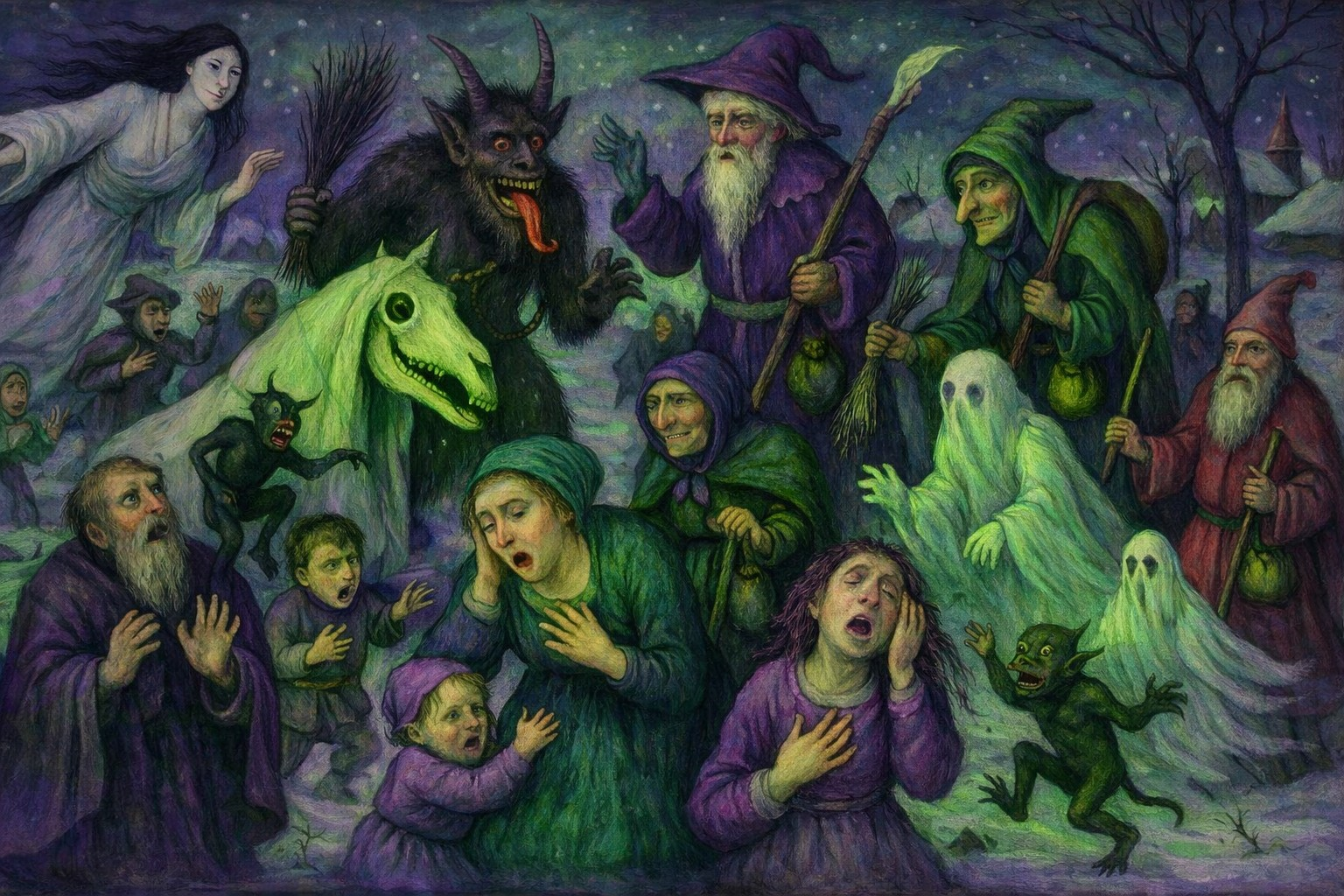
Here are 10 winter legends guaranteed to chill you more than the wind outside.
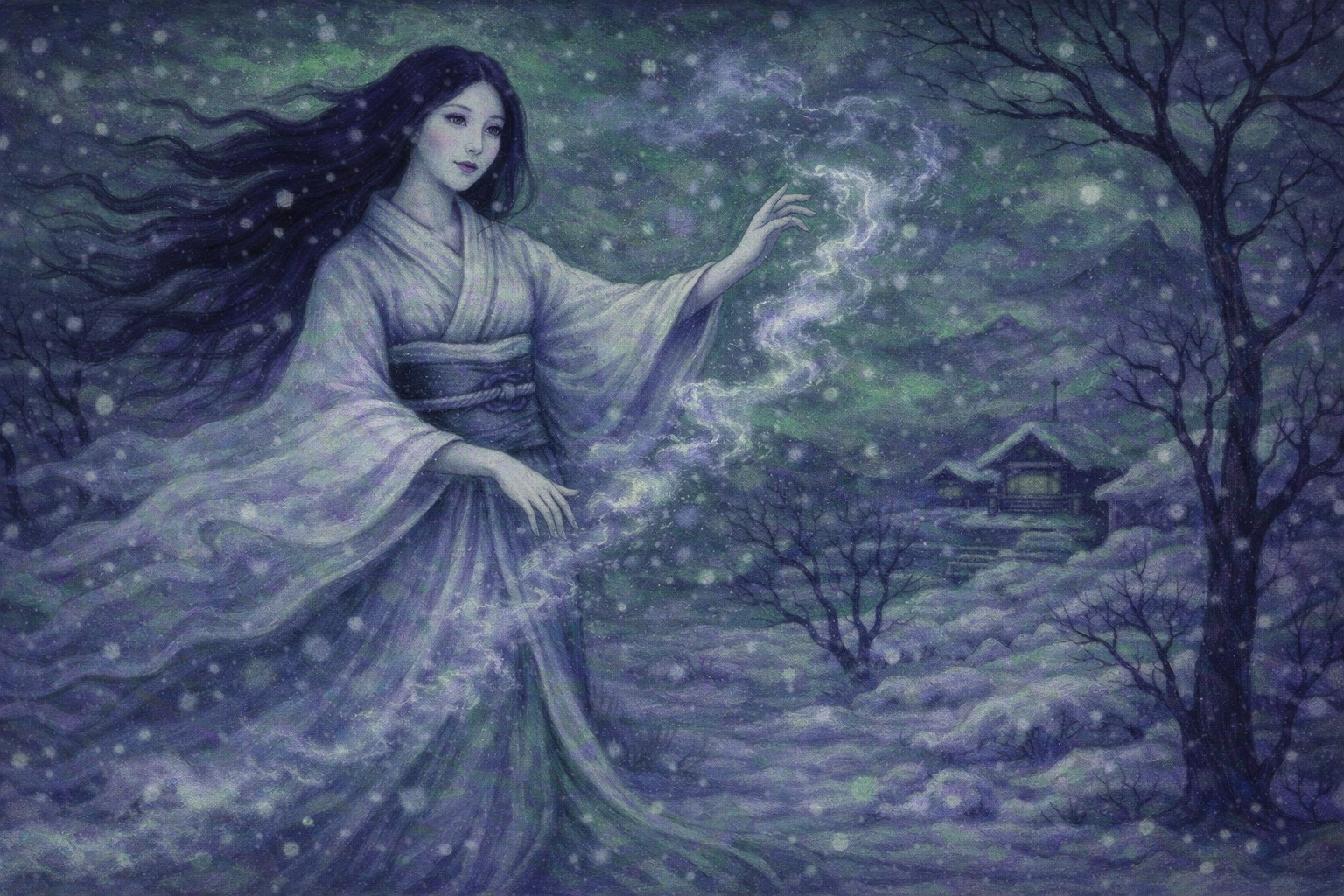
1. Yuki Onna — The Snow Woman (Japan)
Beautiful. Pale. Deadly.
Yuki Onna appears during blizzards, her white kimono blending seamlessly with the falling snow. Travelers who follow her ghostly glow rarely return. According to legend, her icy breath can freeze a person solid in seconds — and her beauty is the last thing they ever see.
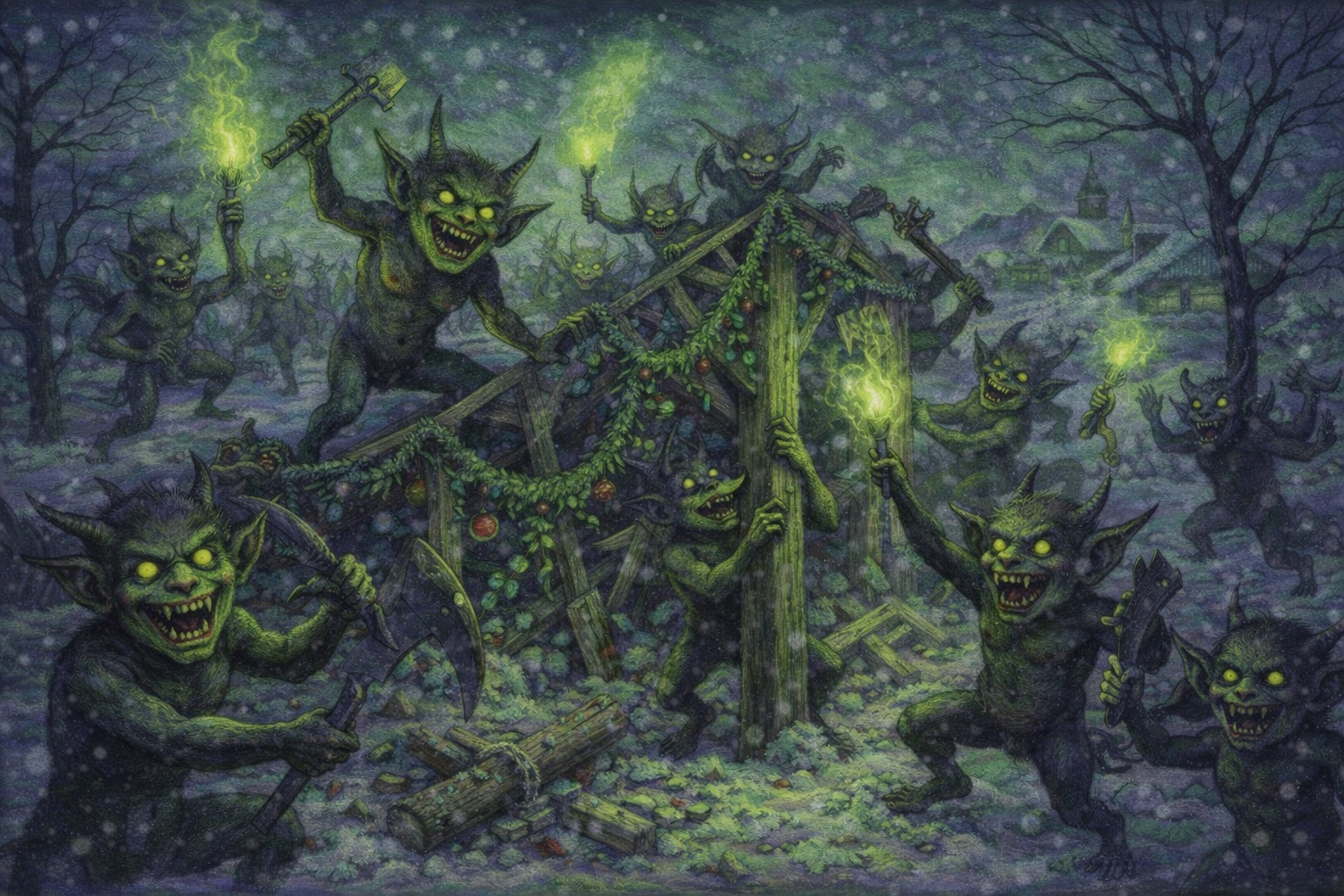
2. Kallikantzaroi — Goblins of the Twelve Days (Greece & Southeastern Europe)
These chaotic, hairy little demons spend most of the year underground, sawing at the World Tree in hopes of collapsing the earth. But during the 12 days of Christmas, they crawl to the surface to wreak havoc. They break into homes, spoil food, and torment anyone unlucky enough to be awake at night.
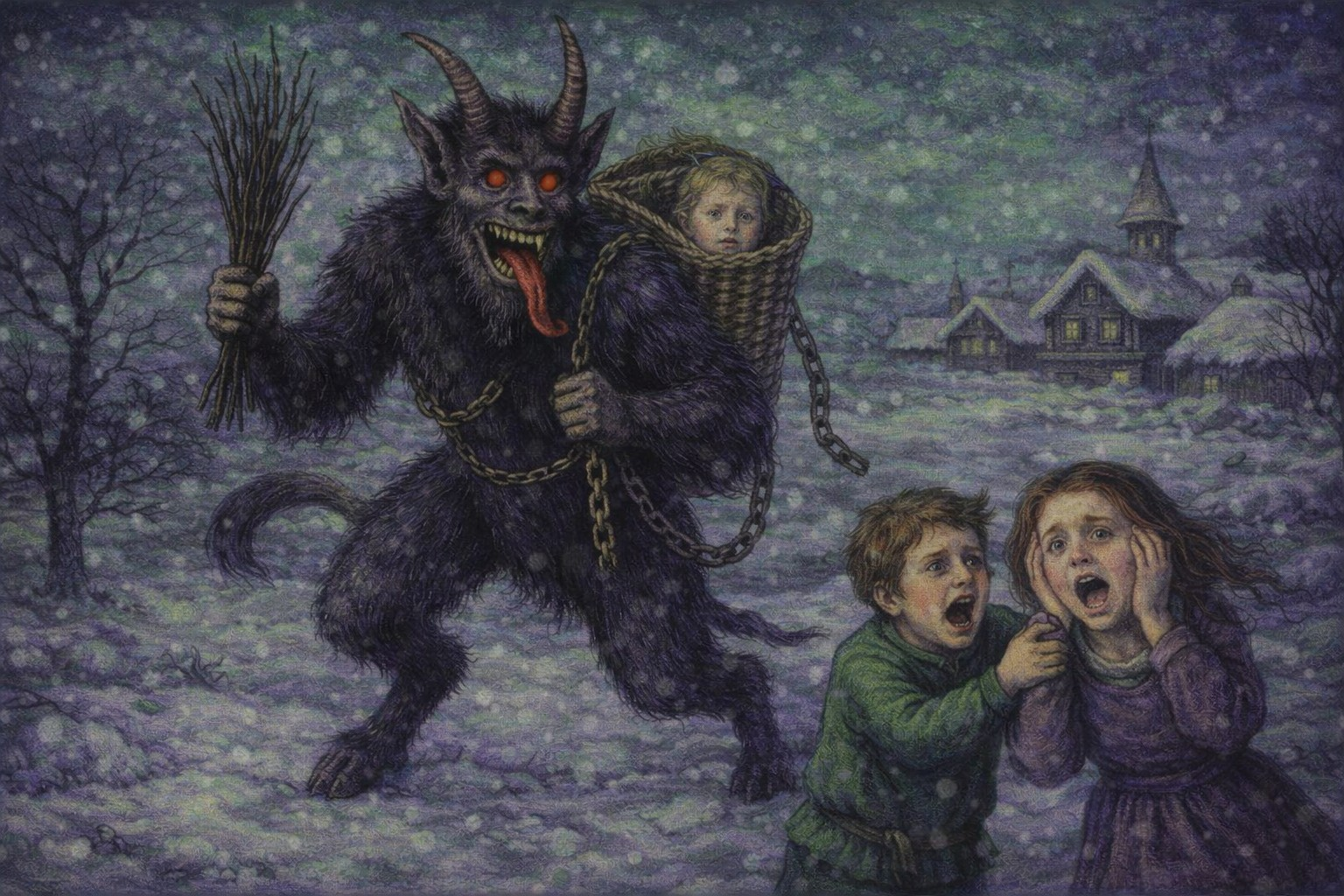
3. Krampus — The Christmas Devil (Austria & Alpine Regions)
The darker counterpart to Saint Nicholas, Krampus punishes naughty children with rattling chains and birch branches. Some folklore says he drags the worst offenders into his sack and carries them away to be eaten… or worse.
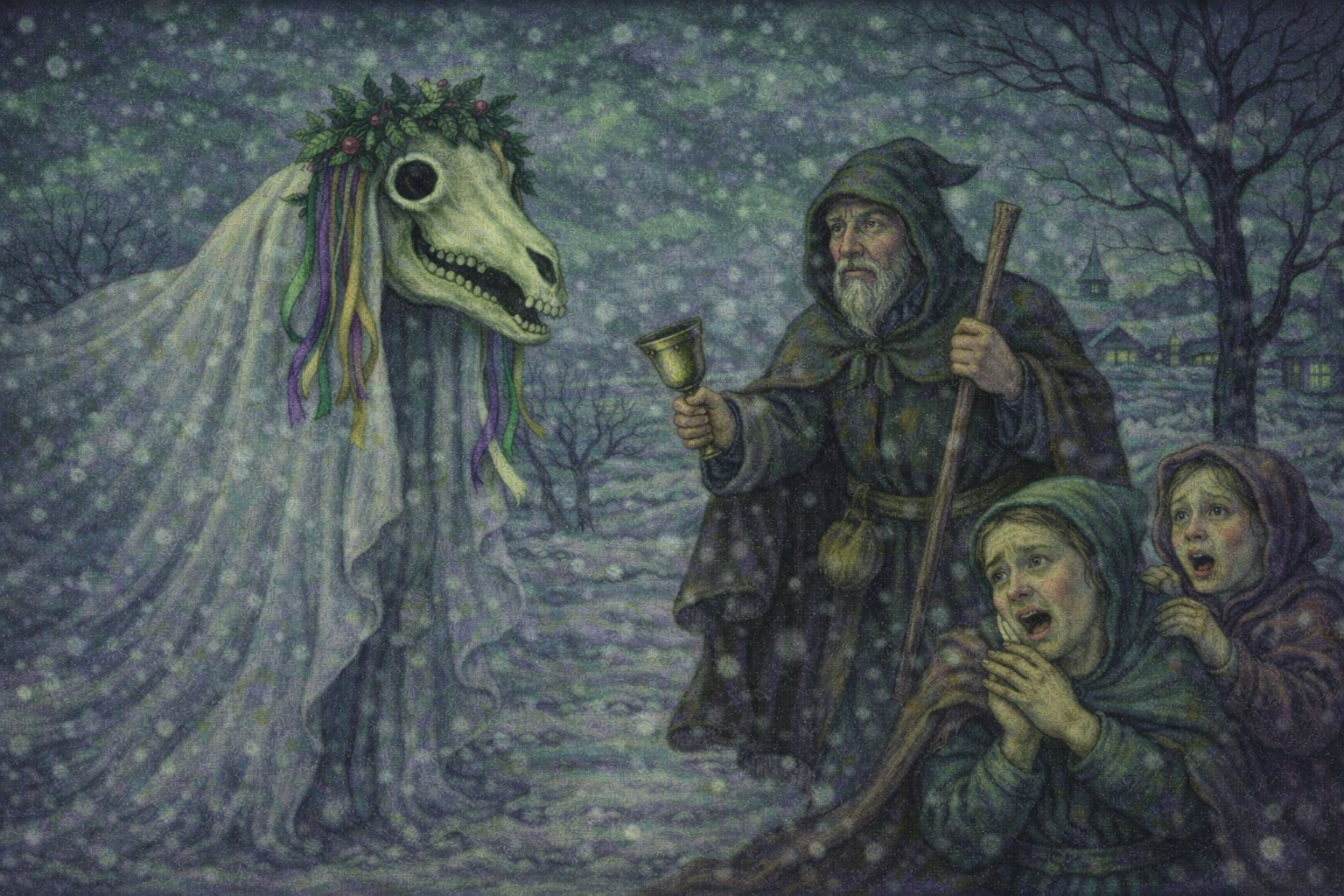
4. Mari Lwyd — The Ghostly Horse Skull (Wales)
Imagine opening your door on a winter night and finding a horse skull draped in ribbons staring back at you. This eerie visitor travels house to house during winter, challenging families to rhyming battles. If you lose, the Mari Lwyd enters your home to drink your ale and cause mischief.
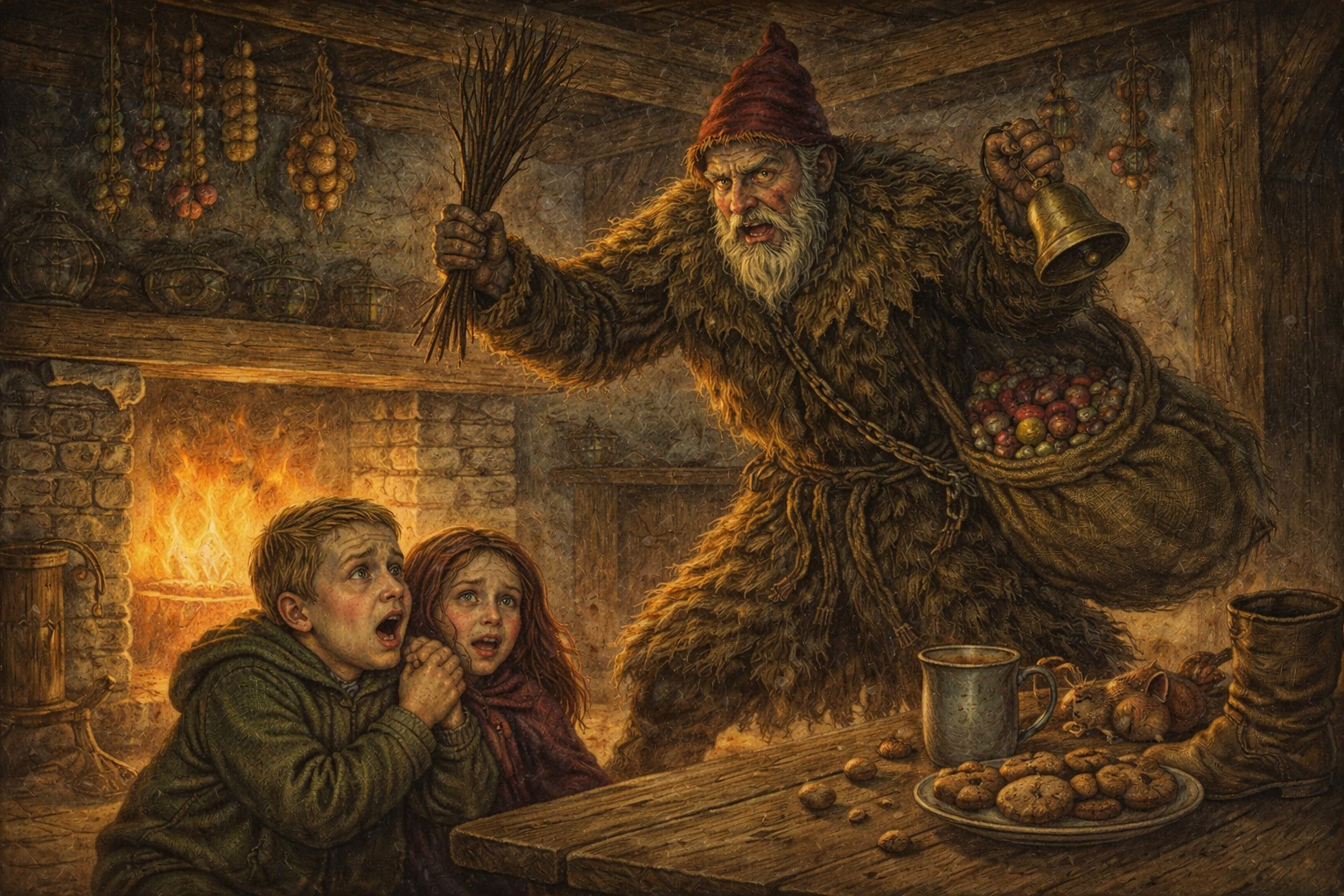
5. Belsnickel — The Ragged Christmas Wanderer (German & Pennsylvania Dutch Folklore)
Before Santa and beyond Krampus, there was Belsnickel. Dressed in furs and rags, he visits children before Christmas — not with gifts, but with warnings. In some traditions he rattles windows, scratches at doors, and tests kids’ obedience with riddles and punishments.
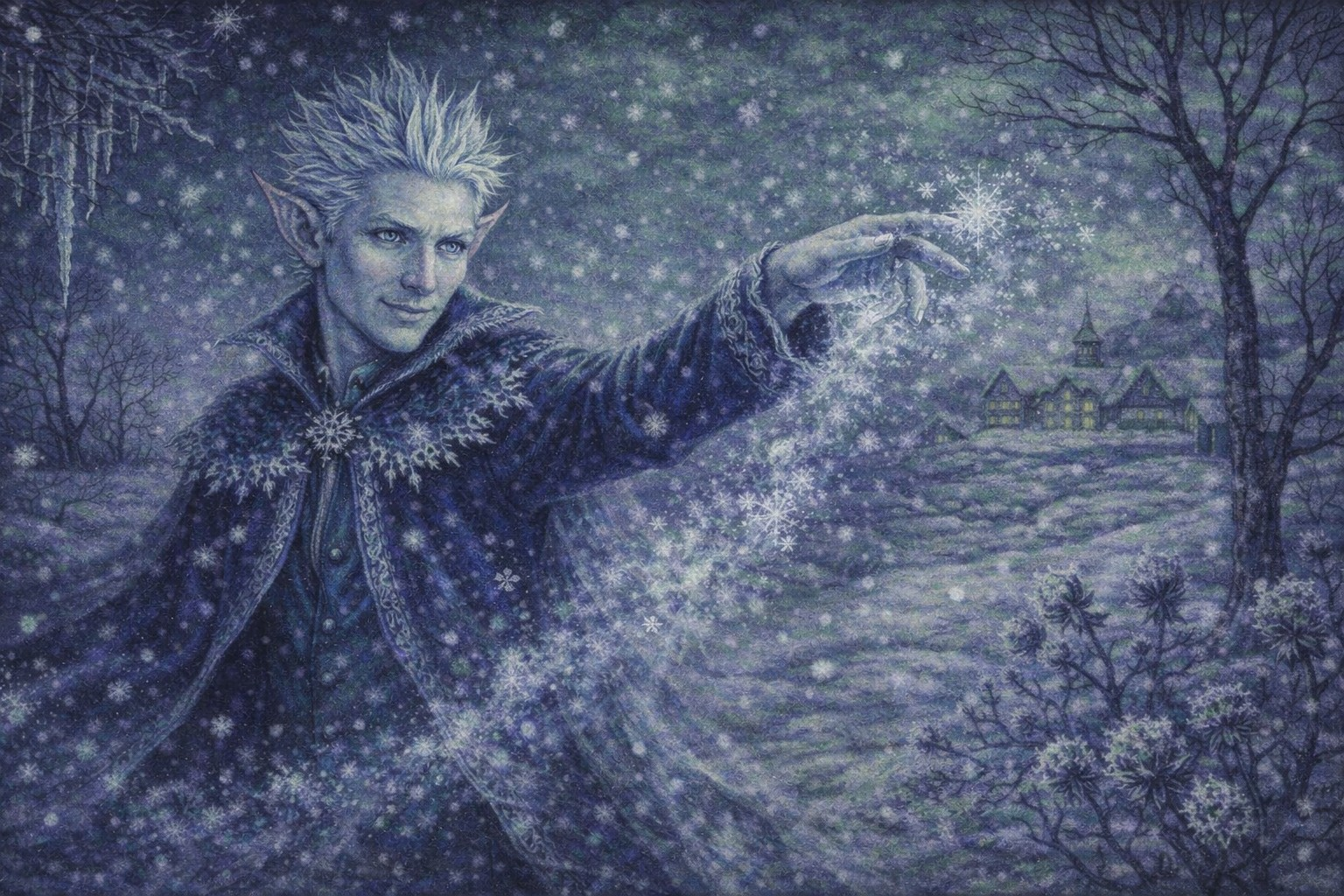
6. Jack Frost — Winter’s Mischief Maker (Anglo-Saxon Folklore)
Far from the cute cartoon version, early folklore paints Jack Frost as a mischievous, sometimes malicious spirit who freezes crops, bites at travelers, and paints windows with messages of impending storms. Many believed ignoring him angered the winter itself.
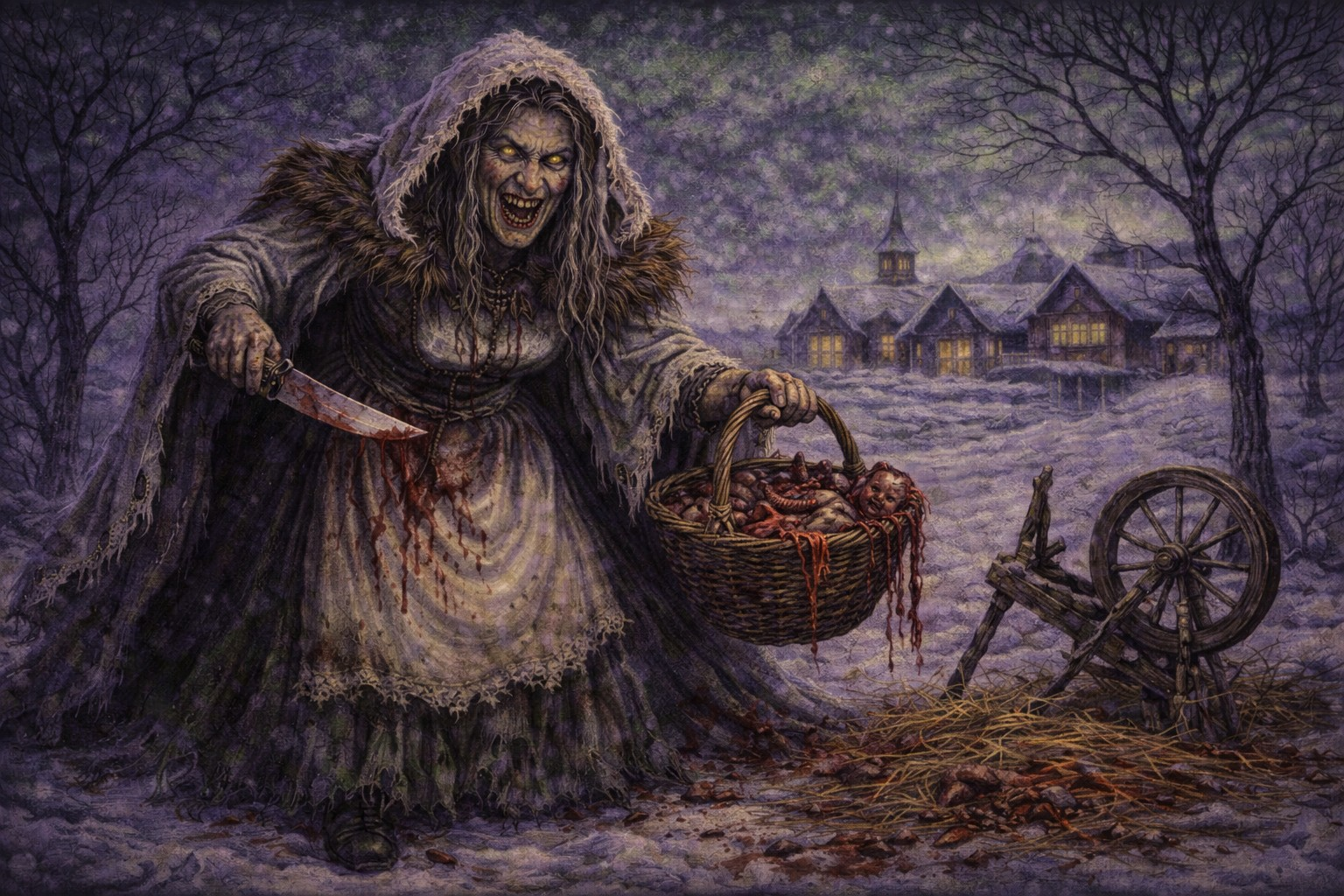
7. Frau Perchta — The Belly-Slitter (Central Europe)
She might look like a kind winter mother figure, but Perchta is anything but gentle. During the midwinter feast, she visits homes to ensure people have followed seasonal rules and customs. Those who disobey? According to legend, she slices them open, removes their insides, and stuffs the cavity with straw.
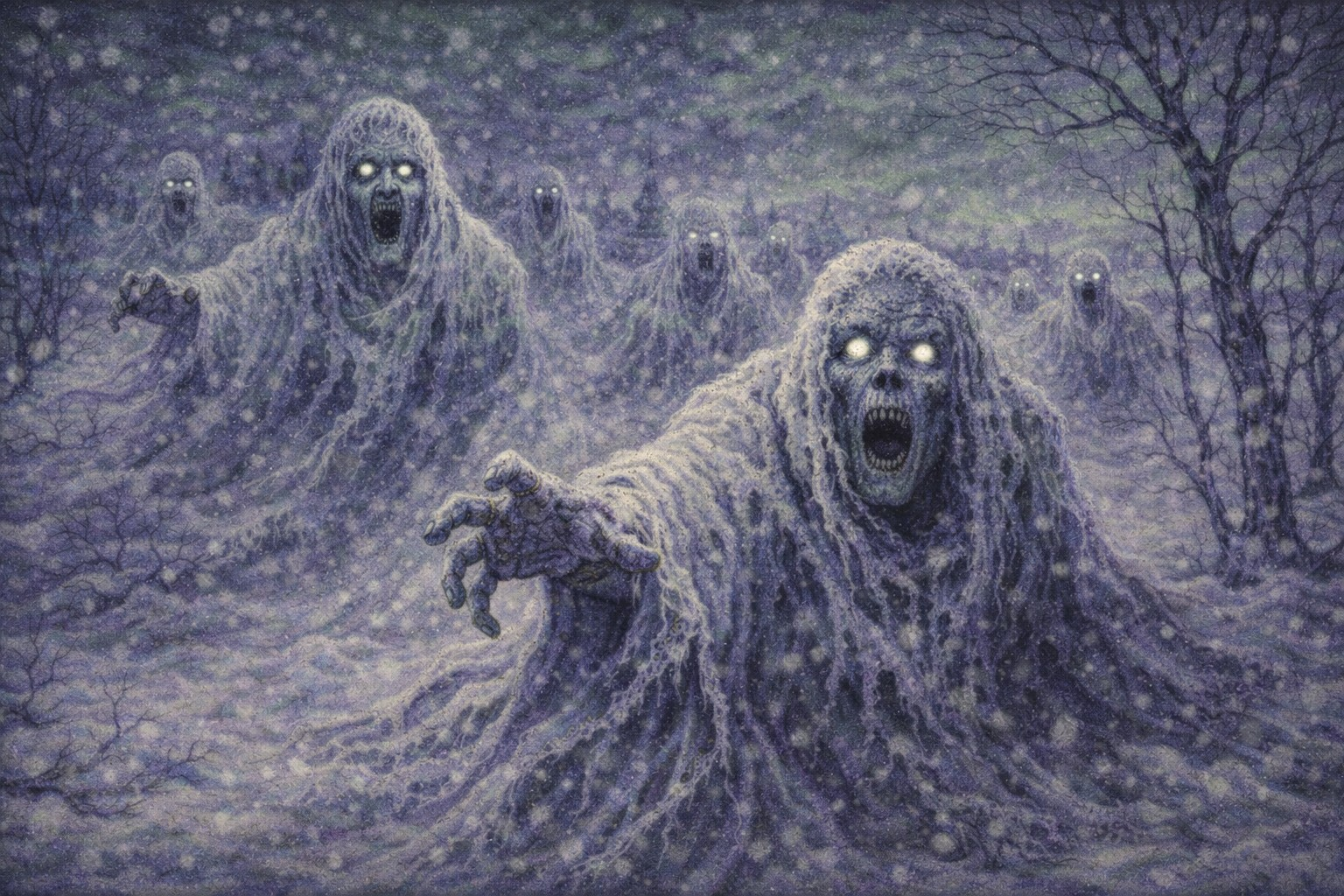
8. The Snow Ghosts of Siberia (Russia)
Nomadic tribes tell stories of pale spirits who drift through the tundra in blizzard form. They lure travelers off safe paths with whispers or glowing lights. By morning, the snow settles — and anyone who followed the ghosts is buried beneath it.
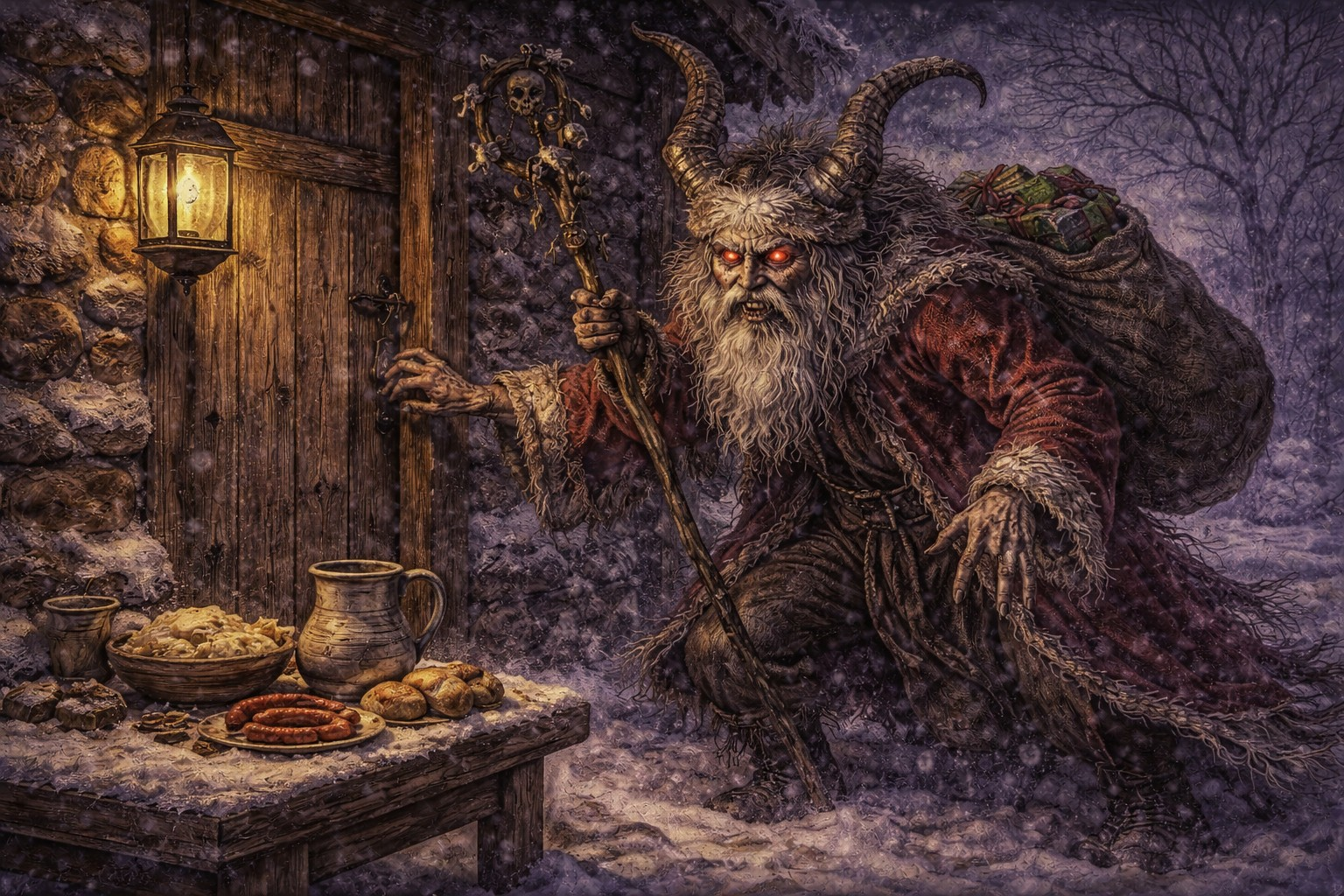
9. Joulupukki — The Yule Goat (Finland)
Before Santa Claus became friendly, he was a terrifying winter creature with horns and a skeletal frame. The early Joulupukki demanded offerings, food, and drink. If ignored, he prowled around homes at night, rattling doors and frightening livestock.
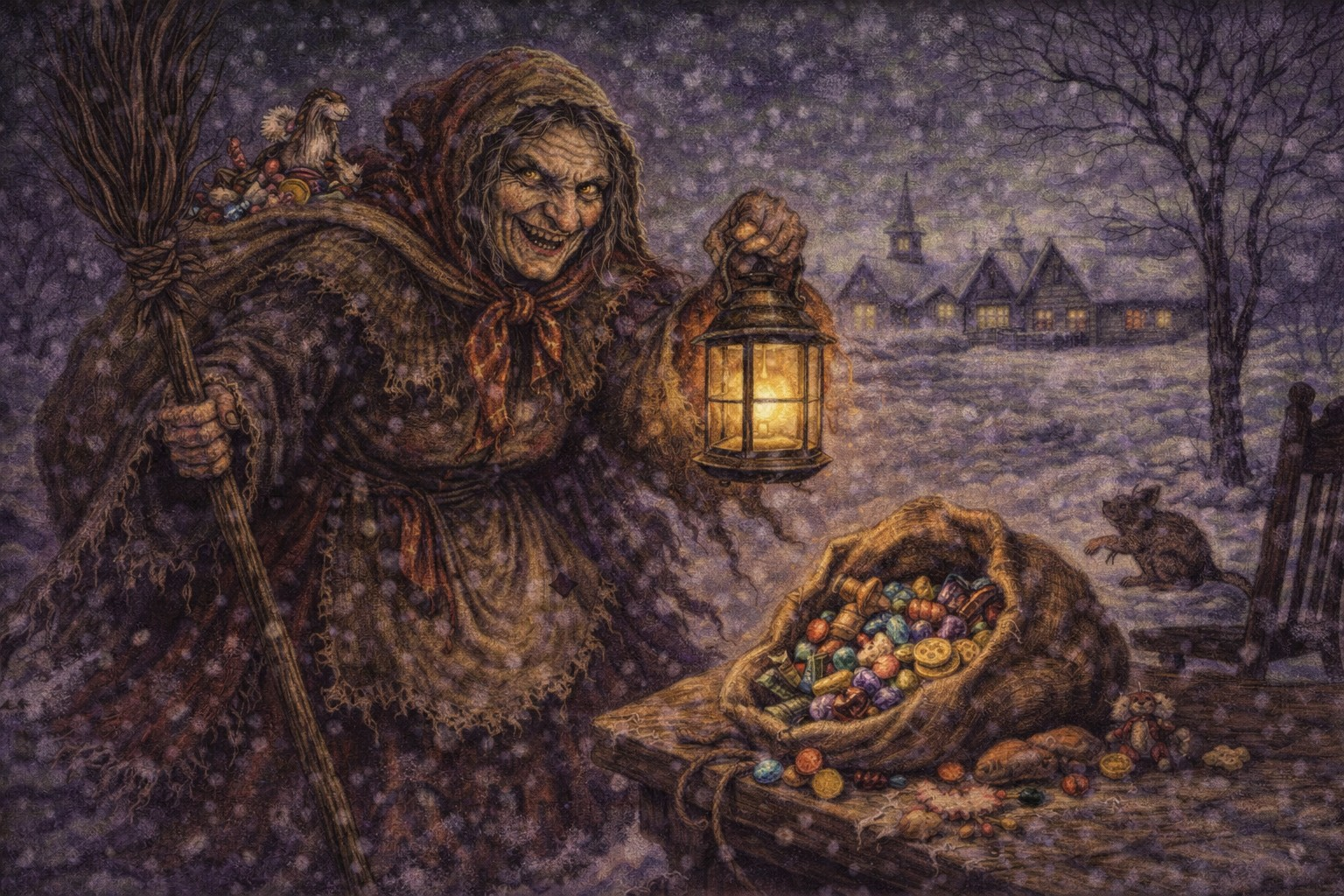
10. La Befana — The Witch of the Epiphany (Italy)
Not all winter beings are malevolent. La Befana, an old witch who rides a broom, travels on January 6th to deliver gifts to good children. But her story has a tragic twist: she’s doomed to wander each winter searching for the Christ child she could never find.
Why Winter Folklore Endures
Winter strips the world down to its bones — long nights, howling winds, empty forests, frozen ground. It’s a season meant for stories whispered by firelight.
These creatures remind us of ancient fears:
the dark, the cold, the unknown scratching at the window.
Whether you're drawn to winter legends for their beauty, their terror, or their timeless mystery, one thing is certain…
When the snow falls, the old stories wake up.
The Hungry Ones: Forest Spirits That Lurk Beyond the TreelineWritten By
Every culture has a name for what lives in the dark places between trees. Some call them guardians. Others call them monsters. This article follows the tales of forest spirits said to hunger for the lost, the careless, and the curious.
A deep dive into America's oldest forest legends—tall watchers, mimics, winter spirits, and guardians who judge those who wander too far from the path.
The Forest as a Threshold
To ancient cultures, the forest wasn't just a backdrop — it was a borderland, where the human world thinned and something far older pressed in. Travelers across centuries tell the same story:
A sudden stop in the wind
A silence that feels intentional
Footsteps that match your pace
Shadows that seem to shift when you blink
In folklore, the woods were never empty. They were inhabited — and some spirits still walk between the trees today.
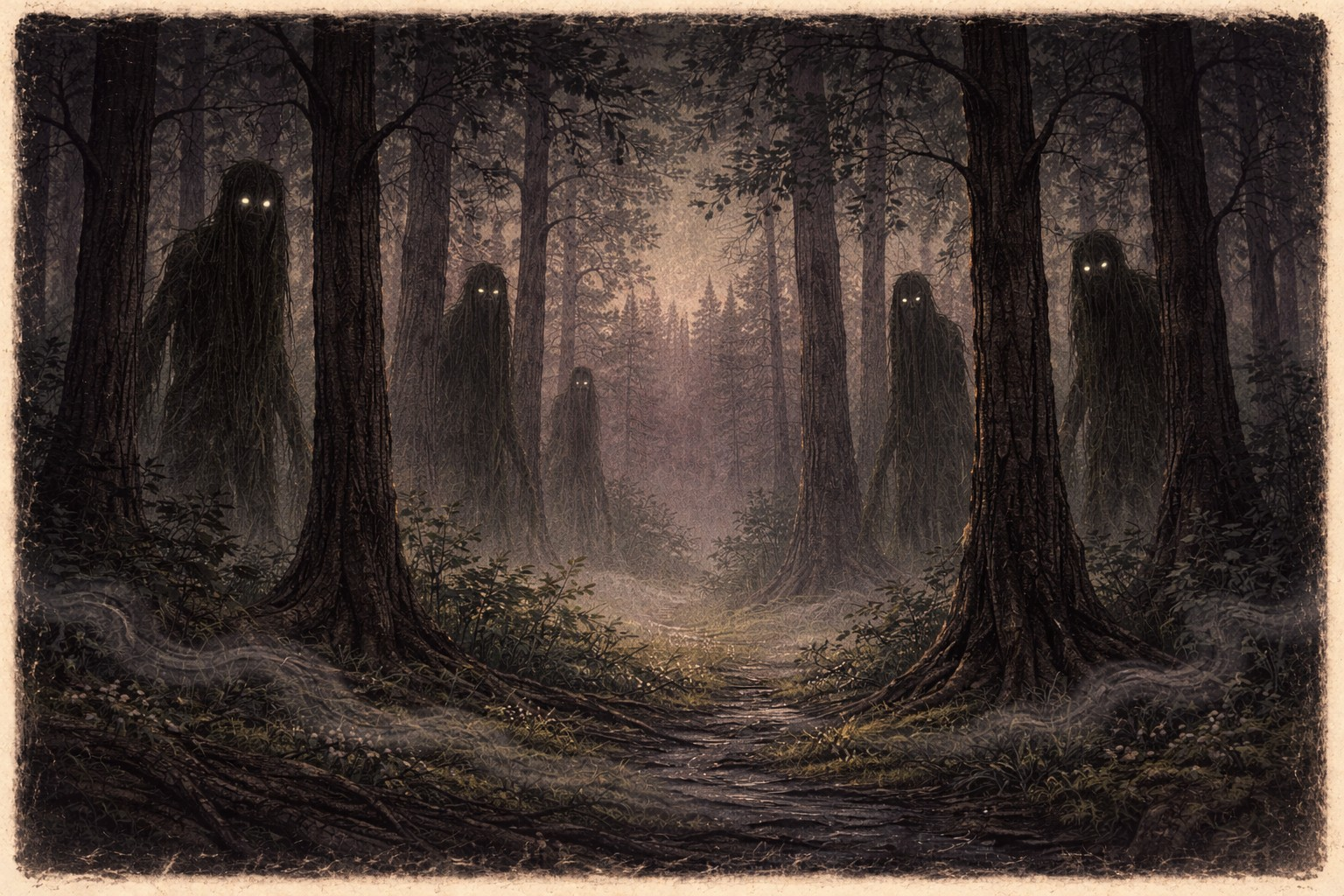
1. The Tall Ones — Lurkers Between Trees
Described across Indigenous traditions and Scandinavian immigrant tales, these spirits appear as long-limbed, silent figures standing between trunks.
Common traits:
Bark-dark skin
Inhuman stillness
Watching but not approaching
Hunters who mocked the woods were said to be "followed home by something that wasn't a man."
If something tall keeps your distance… don't run. Running is permission.
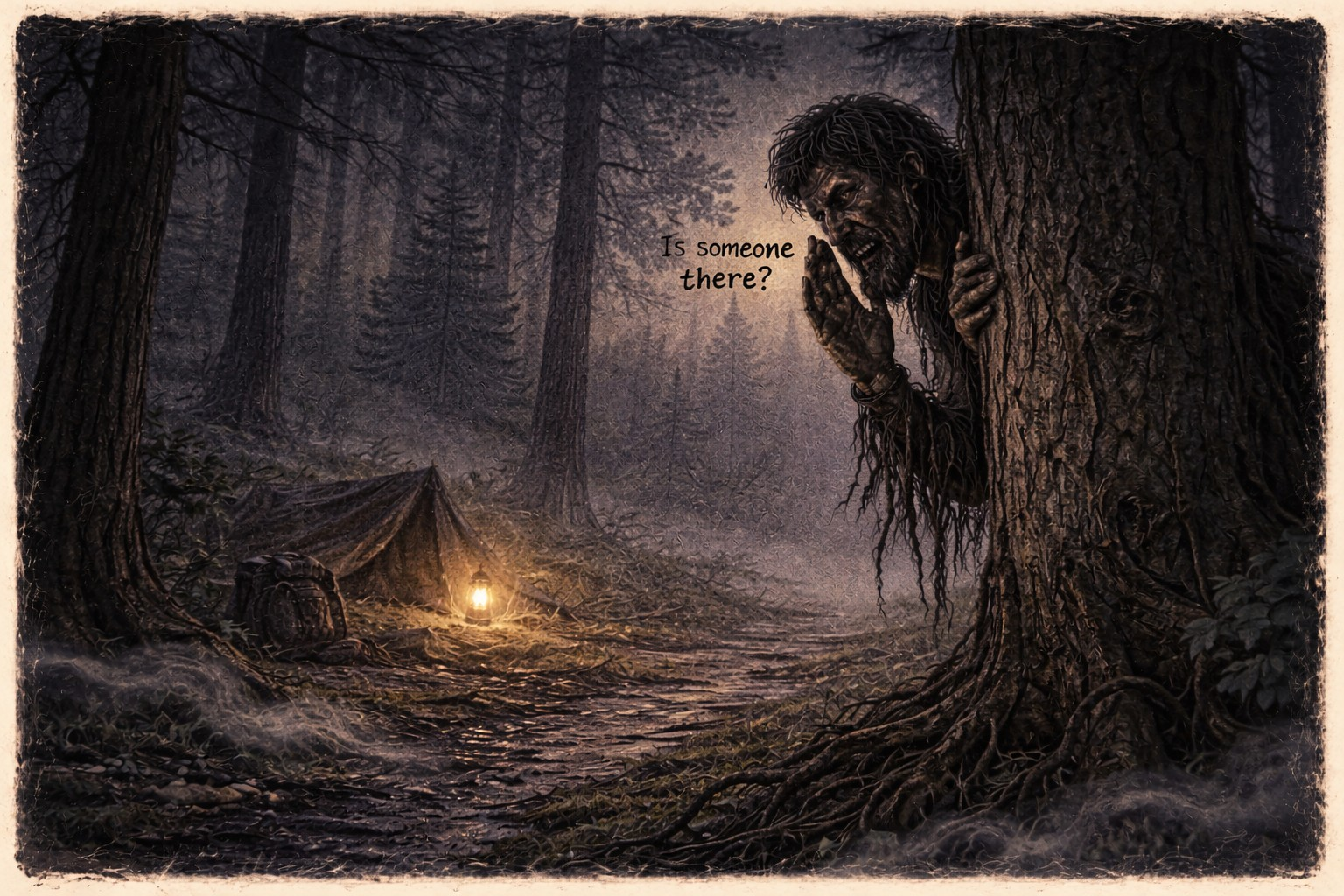
2. The Mimics — Spirits of Sound and Voice
One of the oldest forest legends describes spirits that imitate human voices to lure travelers off the path.
They mimic:
Crying babies
Lost hikers
Loved ones calling for help
Your own name from behind a tree
In many traditions, they aren't demons — but echoes of the forest.
The danger isn't hearing them. The danger is answering.
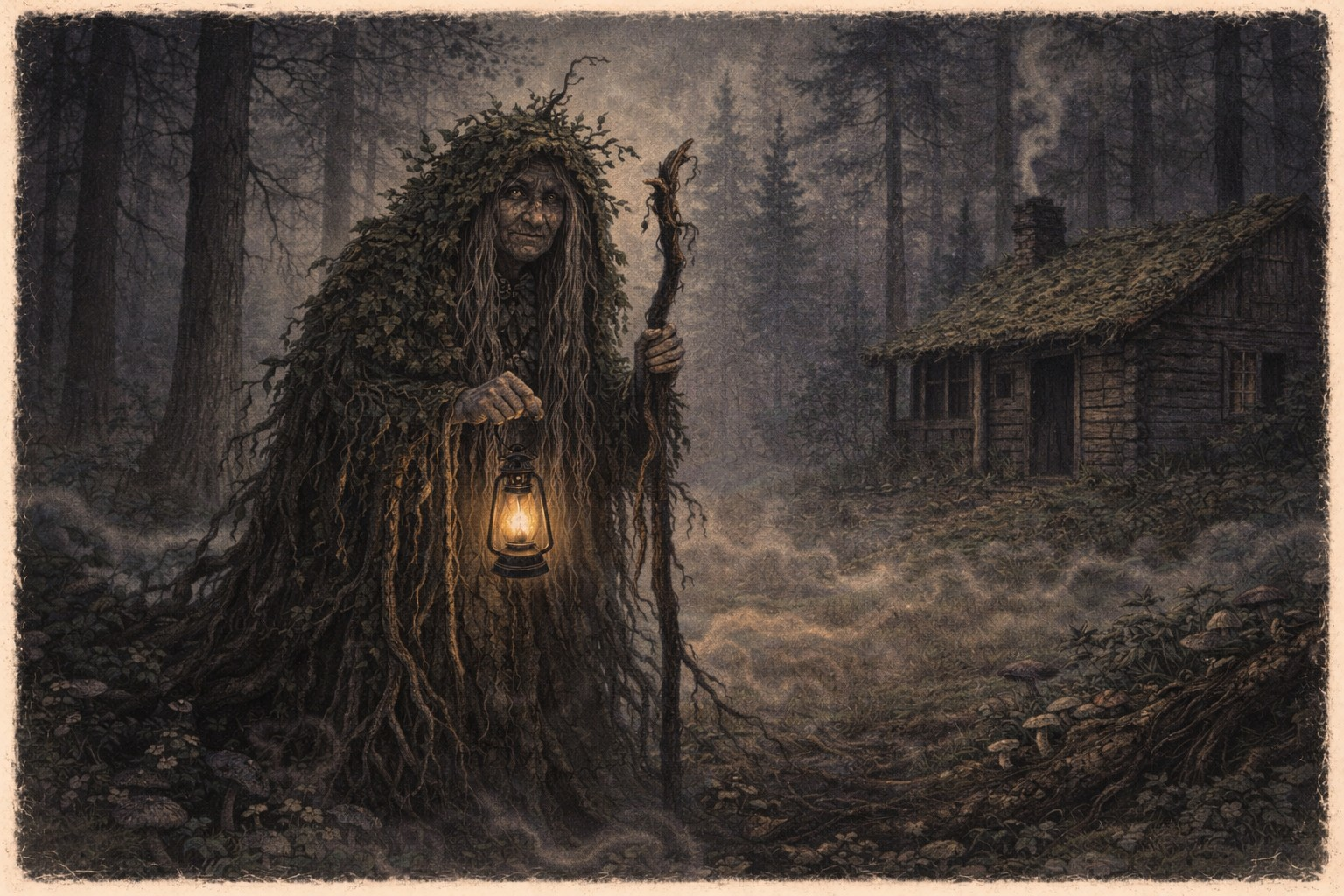
3. Green Witches — Tree-Bound Spirits of Vengeance
In Appalachian lore, "green witches" are women whose violent deaths bound their spirits to the trees where they fell.
Signs of their presence:
Bark weeping red sap
Knots shaped like faces
A sudden wind in still branches
These spirits protect the lost… but punish cruelty, greed, and disrespect.
A tale tells of loggers who cut into a "marked tree." Their tools were found embedded upright in the soil at dawn. The men were gone.
The tree oozed sap for three days.
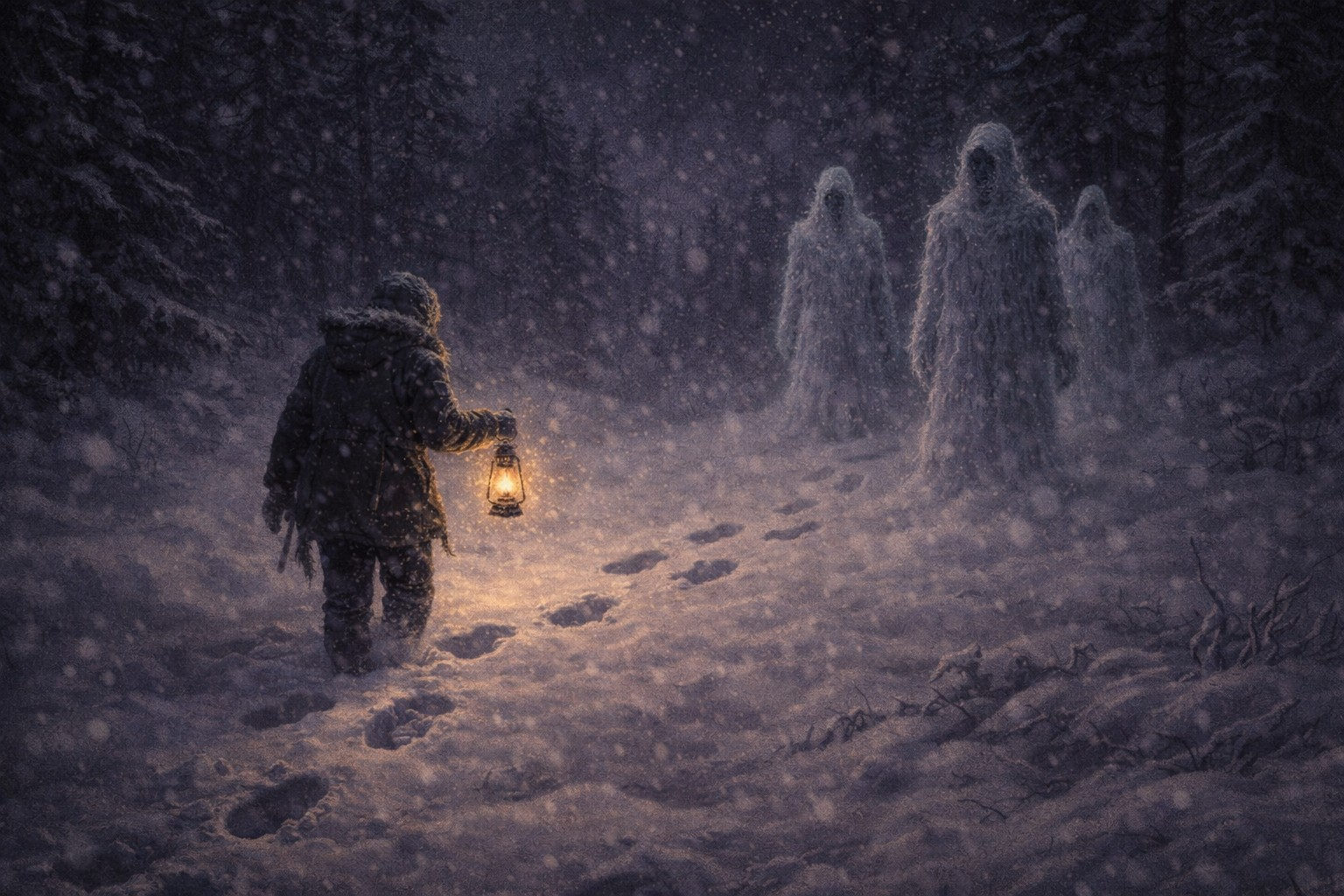
4. The Snow Walkers — Winter Spirits That Follow Footprints
Northern legends speak of winter spirits who trail travelers through snow-bound forests.
You'll never see them. Only hear the crunch behind you.
If you hear footsteps but see no tracks… do not turn around.
To acknowledge them is to invite them closer.
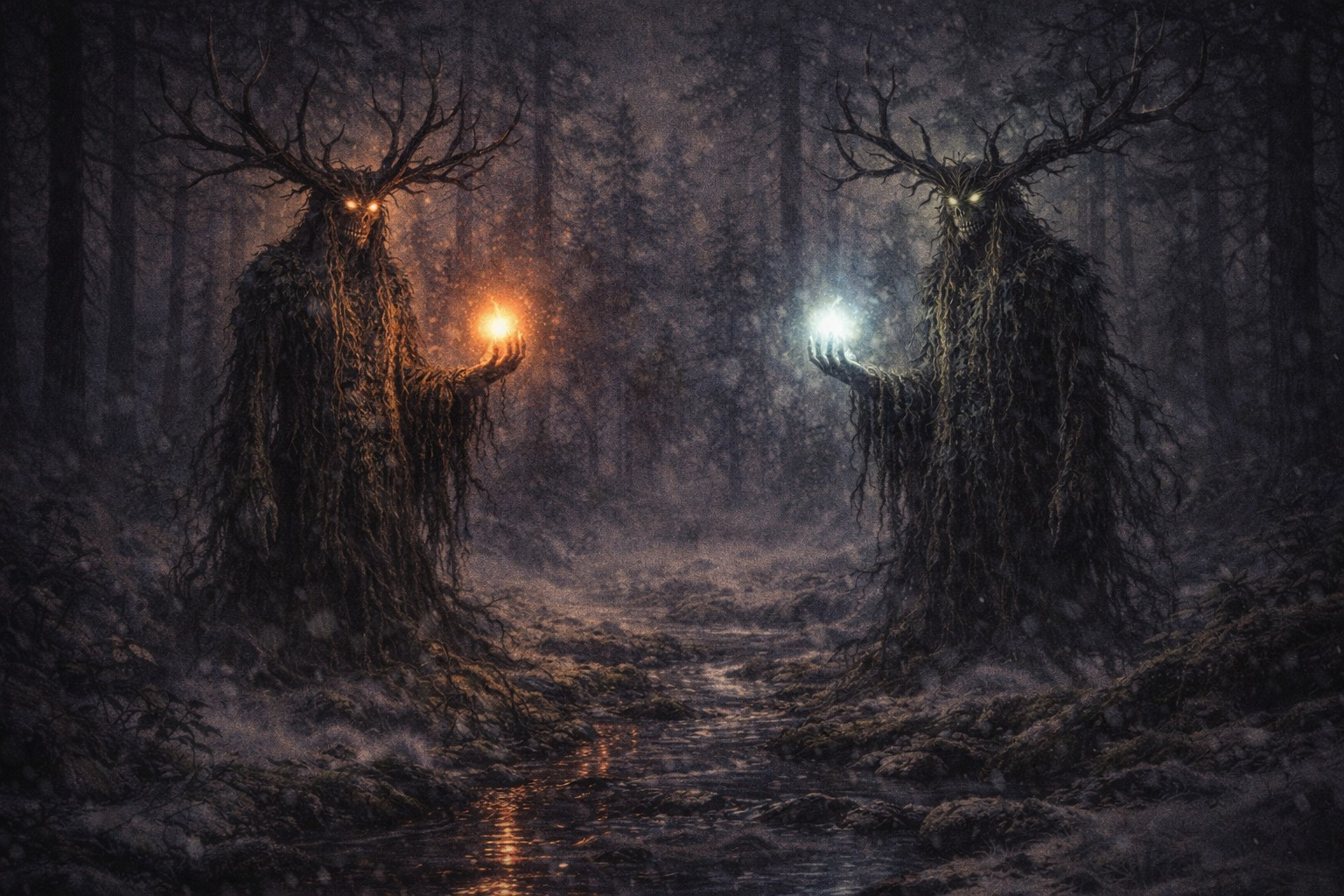
5. Forest Guardians — Antlered Spirits of Balance
Many Indigenous cultures describe towering, antlered beings who enforce the laws of the land.
They punish:
Killing for sport
Wasting what the forest offers
Disrespecting sacred places
Witnesses describe:
Antlers like branching trees
Eyes like wet stone
The smell of moss and earth
These spirits don't just haunt. They judge.
Why These Legends Still Haunt Us
Even today, people describe the same feelings our ancestors feared:
The forest going too quiet
A shape matching your steps
A whisper that doesn't belong
The sense that the woods are watching
Folklore doesn't survive because it's old. It survives because it still feels true.
The Oldest Rule of the Treeline
Every culture has some version of this warning:
Never ignore the feeling that you're being watched
If the woods go silent, listen
If a voice calls your name, don't answer
Some spirits guard the forest
Some hunt in it
And some follow you home.